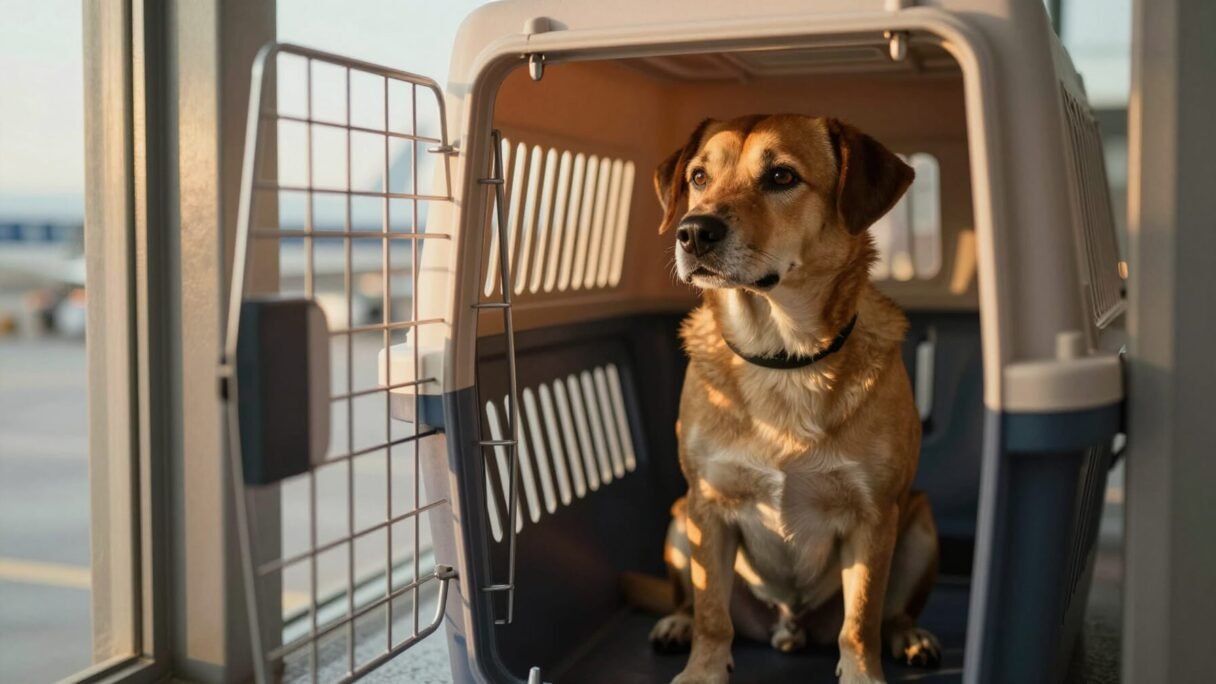
The Real Story Behind Imported Rescue Dogs
There’s a particular kind of rage that comes from watching something you love get misrepresented. Not the hot, explosive kind… the slow-burning sort that sits in your chest and reminds you why you do what you do in the first place.
That’s how I felt reading the BBC’s recent piece warning the public about the supposed dangers of imported rescue dogs. The article, amplified by the RSPCA, painted a picture of Eastern European rescue dogs as ticking time bombs… disease-ridden, behaviourally unstable creatures being delivered like dodgy takeaways to unsuspecting British families.
“Deliveroo for dogs,” they called it.
And with those three words, thousands of lives became that little bit harder to save.
The Problem With Fear
Look, I’m not here to pretend international dog rescue is perfect. It isn’t. There are cowboys in every industry, from building trades to, yes, animal welfare. There are organisations that cut corners. There are cases where dogs arrive sick, or traumatised, or unprepared for life in a British suburb.
But here’s what the BBC piece spectacularly failed to mention: for every horror story about an imported rescue dog, there are hundreds… thousands… of beautiful, mundane success stories. Dogs who travelled across Europe and settled into their new lives with barely a hiccup. Dogs who’ve become beloved family members. Dogs who would, quite simply, be dead if someone hadn’t given them that chance.
The article leaned heavily on anecdotal evidence. A dog with Brucella canis. A pregnant dog traumatised by UK quarantine who later showed aggression. Owners who “couldn’t cope.”
These stories are real. The pain they caused is real. But using them to paint an entire sector as dangerous? That’s not journalism. That’s weaponised fear.
What They Didn’t Tell You
Here’s what gets lost when we focus only on the failures:
The scale of the crisis abroad. We’re talking about hundreds of thousands of dogs across Europe living in conditions most Brits couldn’t imagine. Kill shelters where animals are destroyed after days or weeks. Street dogs are surviving on scraps, breeding uncontrollably, and dying of treatable illnesses. The sheer volume of suffering is staggering.
The rigorous processes many rescues follow. Yes, some organisations operate via social media and quick phone calls. But many ethical rescues conduct extensive home checks, behavioural assessments, and follow-up support. They don’t profit… adoption fees barely cover veterinary care, food, and transport. These aren’t businesses flogging products. They’re lifelines.
The reality of disease screening. All dogs entering the UK must pass disease screenings. Are there cases of falsified documents? Yes. Are they the norm? Absolutely not. The article made it sound as though every rescue dog arriving at Heathrow is a plague carrier. That’s not just inaccurate… it’s dangerous.
The comparison to breeder puppies. Here’s something that’ll make you uncomfortable: buying an eight-week-old puppy from a breeder is a far bigger gamble than adopting an adult rescue dog. That puppy’s temperament is entirely unknown. Will they be anxious? Aggressive? Reactive? You won’t know for months, maybe years. Rescue dogs, by contrast, often come with behavioural assessments based on weeks or months of observation. Research has repeatedly shown that breed is not predictive of behaviour. So who’s really playing Russian roulette?
The trauma caused by the UK system itself. One of the cases highlighted in the article involved a pregnant dog that changed dramatically after being seized by trading standards and held in quarantine for three weeks. She returned traumatised and later attacked her owner. The article framed this as proof that rescue dogs are dangerous. But the real question is: what happened to that dog during those three weeks? What conditions was she kept in? How was she treated? Any living creature would emerge from such an experience altered.
The Language of Vilification
Language matters. The RSPCA spokesman called these dogs “ticking time bombs.” He compared the rescue process to a food delivery service, as if dogs were commodities ordered on a whim.
This isn’t oversight. This is calculated framing designed to stoke fear. And it works. Fear spreads faster than truth. It sticks in people’s minds. It makes them hesitate when they see a rescue dog’s pleading eyes in a social media post. It makes them click away.
And while they’re clicking away, another dog dies.
What About Regulation?
The article rightly points out that rescue organisations in England, Wales, and Northern Ireland aren’t required to be licensed. That’s a fair point. Regulation could help… if it’s done thoughtfully.
But here’s the thing about regulation: it has to be practical. Many of the ethical rescues operating abroad are small, volunteer-run operations. They don’t have administrative support. They don’t have charity status. Over-zealous regulation would shut them down overnight.
A better approach? The RSPCA could lead by example. Create a certification programme. Highlight rescues that follow best practices. Help prospective adopters make informed choices. That would protect animals and humans alike, without destroying the systems keeping thousands of dogs alive.
Instead, they chose the nuclear option: blanket fearmongering.
The Stories We Don’t Hear
You know what doesn’t make headlines? The dog, pulled from a Romanian kill shelter, now spends her days snoozing on a sofa in Surrey. The Ukrainian street dog turned out to be brilliant with children. The Spanish rescue who became a therapy dog. The thousands of people who scrolled through rescue posts at 3 am, fell in love with a face on a screen, and welcomed a traumatised animal into their homes.
These people aren’t naive. They’re not reckless. They’re compassionate. They’re the sort of people who see suffering and think, “I can help.”
The BBC had a chance to tell its stories. They didn’t.
The Real Danger
Here’s what genuinely worries me: this kind of coverage doesn’t just discourage people from adopting. It actively harms the dogs already here.
When the public believes rescue dogs are dangerous, those dogs become harder to rehome. They stay in foster care longer. They take up space that could go to another dog in crisis. The fear spirals.
Meanwhile, the puppy trade continues unchecked. Because there’s no requirement for checks when you buy a pedigree dog. No home visit. No vetting. Just cash and a cute puppy whose adult temperament is a complete mystery.
What Needs to Change
We do need better oversight. We do need to weed out the organisations operating unethically. We do need to educate adopters about what rescue really means.
But we also need something the BBC article utterly lacked: balance. Context. Compassion.
We need to remember that behind every statistic is a living creature who didn’t choose their circumstances. Dogs born on the streets of Bucharest or abandoned in Ukrainian war zones didn’t ask for any of this. They’re not time bombs. They’re survivors.
And yes, survival leaves scars. Some dogs arrive fearful. Some need training. Some require patience and understanding. But that’s not unique to rescue dogs… that’s just dogs. All of them. Even the expensive ones from fancy breeders.
A Better Story
Imagine if the BBC had led with this instead:
“Thousands of dogs are being saved from desperate situations abroad and finding loving homes in the UK. While the system needs better regulation to protect both animals and adopters, the vast majority of these rescues are success stories. Here’s how to identify ethical organisations and what to expect when adopting a rescue dog.”
Same facts. Different framing. Actually helpful.
But that wouldn’t get clicks, would it? That wouldn’t stoke outrage. That wouldn’t position the RSPCA as the hero swooping in to save hapless Brits from foreign invaders.
Why This Matters
If you’re reading this on a website dedicated to animal rescue and charity, you probably already get it. You understand that compassion isn’t about playing it safe. It’s about looking at a problem… a huge, messy, complicated problem… and refusing to look away.
Every rescue dog represents a choice. Someone, somewhere, decided that an animal’s life was worth fighting for. They filled out paperwork. They fundraised for vet bills. They arranged transport. They took a leap of faith.
Are some of those leaps reckless? Sure. Should there be better systems in place? Absolutely.
But let’s not pretend that caution equals compassion. Because while we’re busy being cautious, being careful, being sensible… dogs are dying.
The People Who Get It
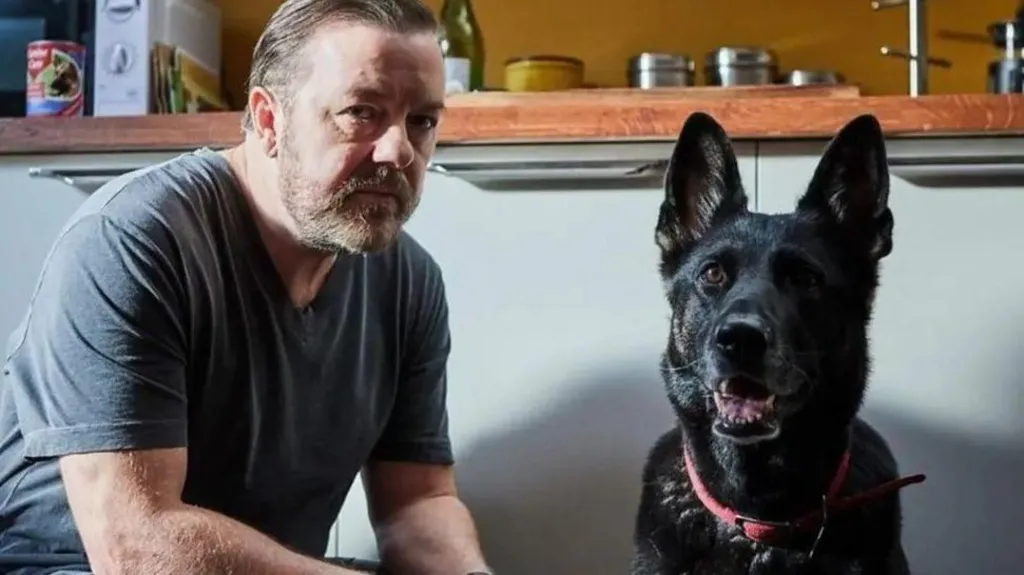
While fear-based coverage dominates headlines, there are people quietly putting their money where their mouth is. Ricky Gervais just donated nearly £2.5 million to 22 animal charities from his recent stand-up tour proceeds. Not for publicity. Not for tax breaks. To “celebrate the spirit of Christmas,” he said.
Among those charities are small, grassroots rescues like Flori’s Friends Animal Rescue in Kent and Retreat Animal Rescue in High Halden… the kind of organisations that operate on shoestring budgets and sheer bloody-mindedness. The kind that don’t make BBC headlines but save lives every single day.
That’s what real support looks like. Not think pieces about how dangerous rescue dogs are. Not hand-wringing about hypothetical risks. Just direct action that keeps rescue centres running, dogs fed, and second chances possible.
It’s worth remembering when the noise gets loud: some people see the same crisis and respond with fear. Others respond with £2.5 million and a simple “Merry Xmas, critters.”
What You Can Do
If you’re considering adopting a rescue dog, especially one from abroad, here’s some actual practical advice:
Research the organisation. Look for transparency. Check their social media for updates on dogs they’ve placed. Ask questions. Ethical rescues will welcome your diligence.
Be honest about your circumstances. If you’ve never had a dog before, say so. If you have young children or other pets, mention it. Good rescues want to match you with the right dog, not just any dog.
Expect an adjustment period. Rescue dogs need time to decompress. The first few days can be rough. That’s normal. It doesn’t mean you’ve made a terrible mistake.
Use support networks. Most rescues offer backup. If you’re struggling, reach out. That’s not failure… that’s being responsible.
Challenge the narrative. When you see fear-based coverage about rescue dogs, push back. Share the success stories. Remind people that every dog deserves a chance.
Final Thoughts
The BBC’s article will probably do what it set out to do: make people think twice about adopting rescue dogs. Discourage international rescue efforts. Strengthen the narrative that foreign dogs are dangerous.
But here’s what I hope happens instead:
I hope it makes the ethical rescues more visible. I hope it sparks conversations about better regulation that actually works. I hope it reminds people that journalism should inform, not terrorise.
And mostly, I hope it doesn’t stop the people who were meant to rescue dogs. The ones who see a face on a screen at 3 am and think, “I can help.” The ones who understand that love isn’t about safety guarantees and perfect circumstances.
Because those people? They’re the reason this work continues. They’re the reason thousands of dogs have second chances.
And no headline can change that.
The animal rescue sector needs thoughtful reform, not fear-based attacks. If you want to support ethical international rescue organisations, do your research, ask questions, and remember: behind every statistic is a life worth saving.
No responses yet